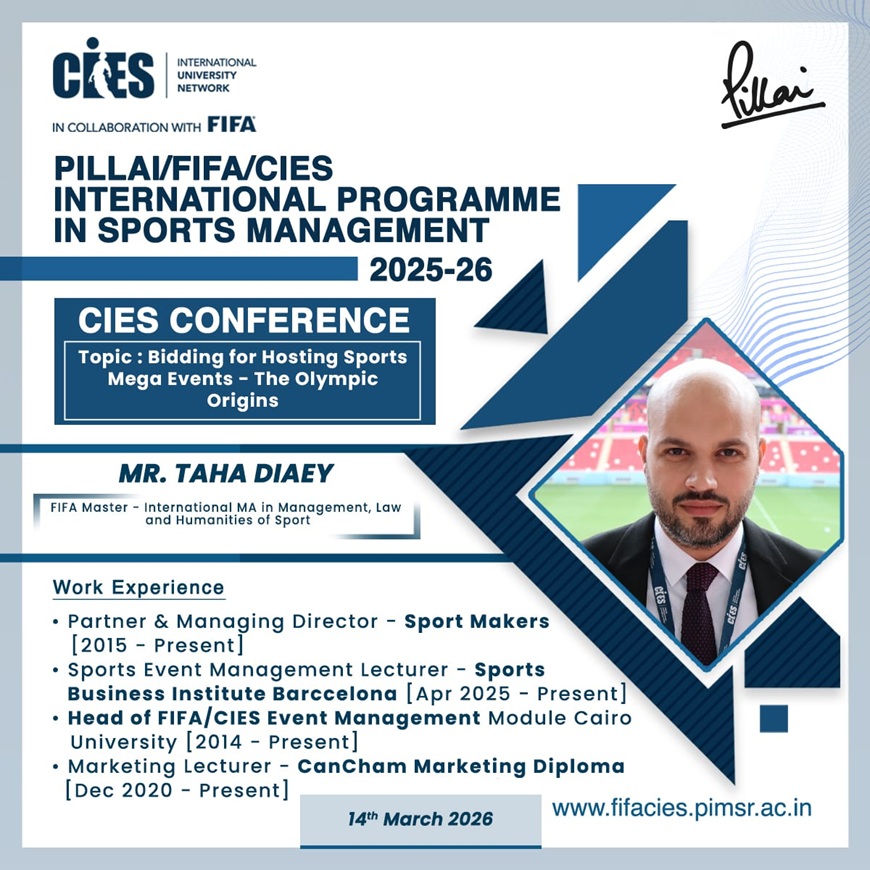
The CIES conference on “Bidding for hosting sports mega events – The Olympic Origins” was conducted by Ms. Mr. Taha Diaey, FIFA Master and Partner & Managing Director – Sport Makers for the participants of the 7th edition of the Sports Management programme on Saturday, 14th March 2026.
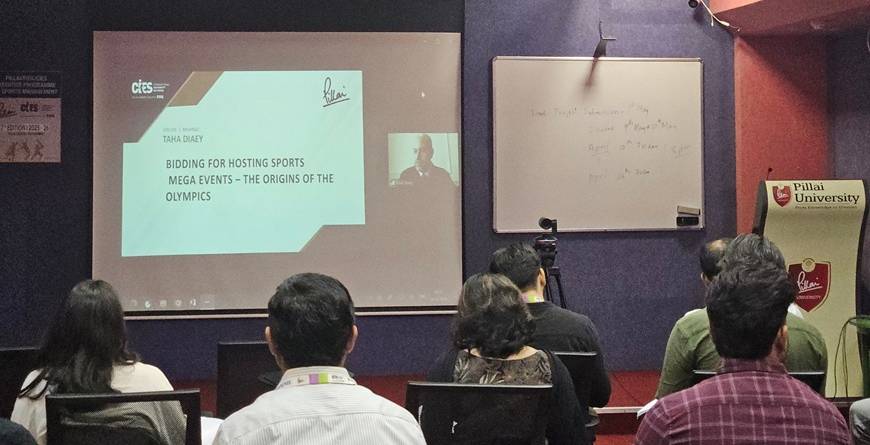
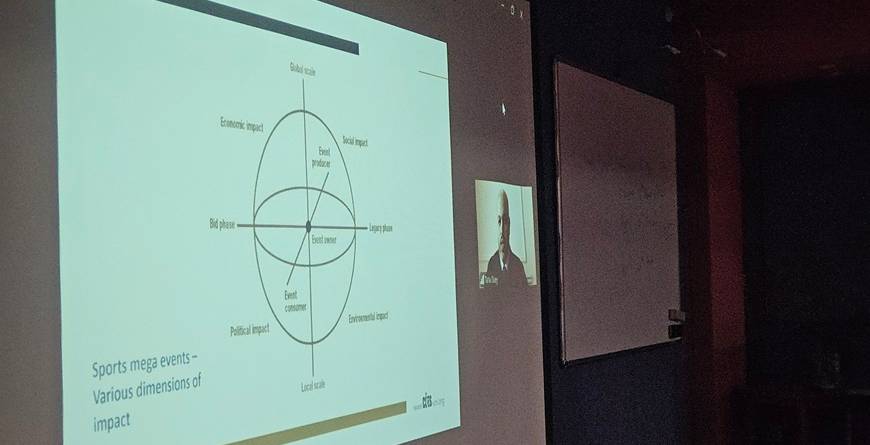
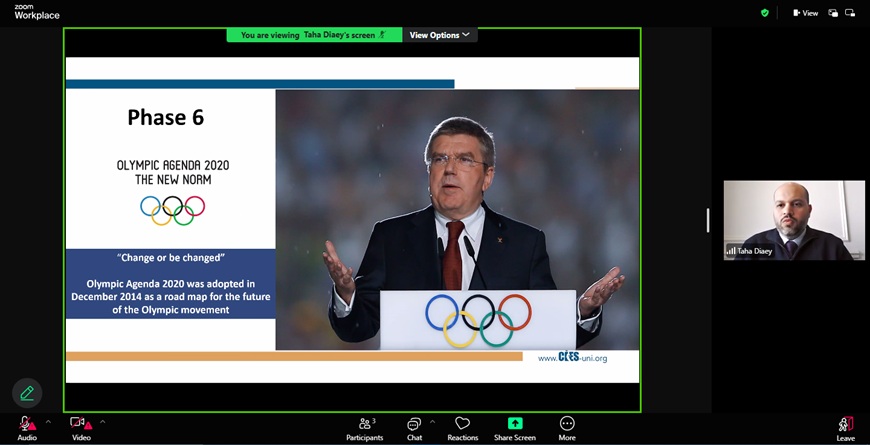
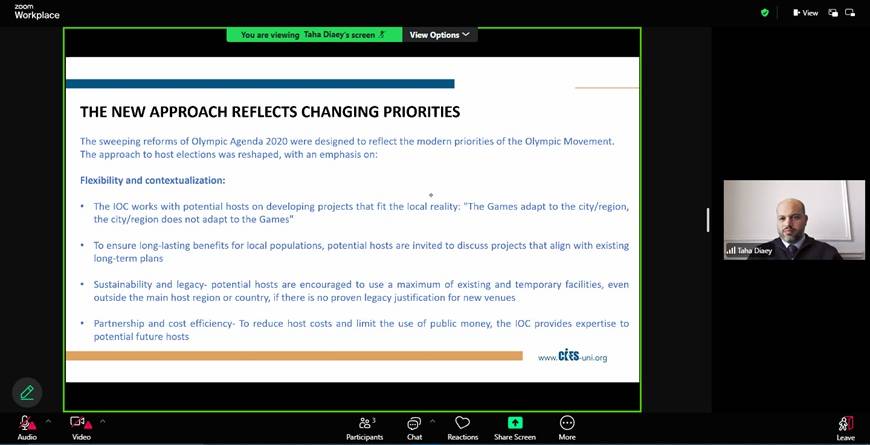
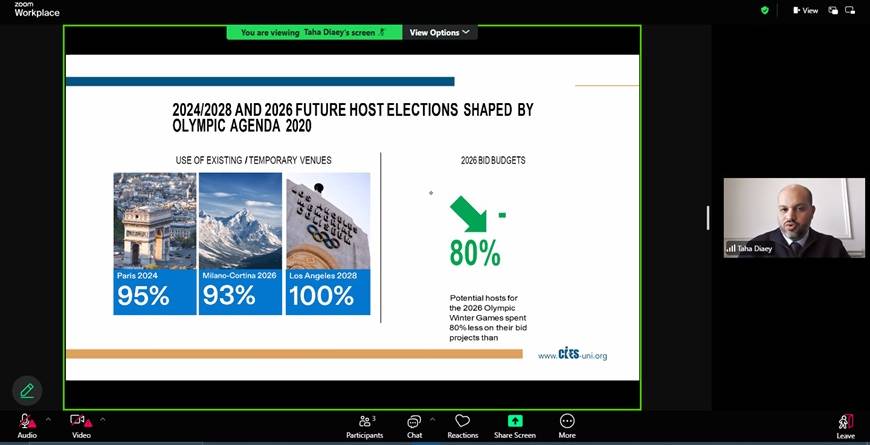
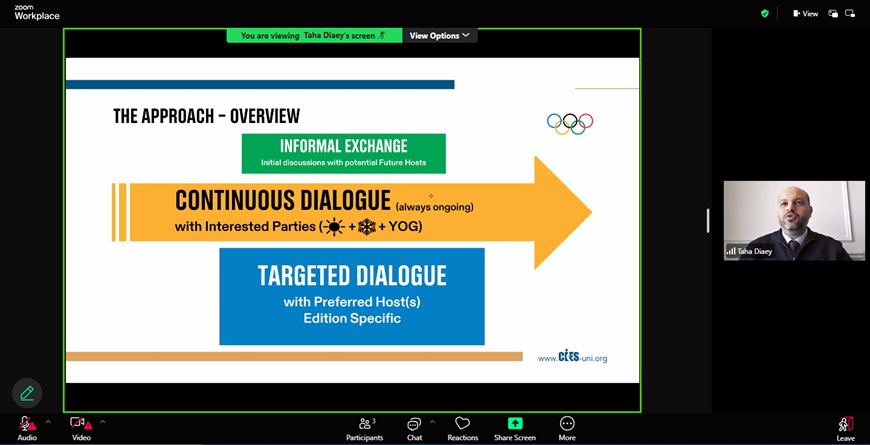
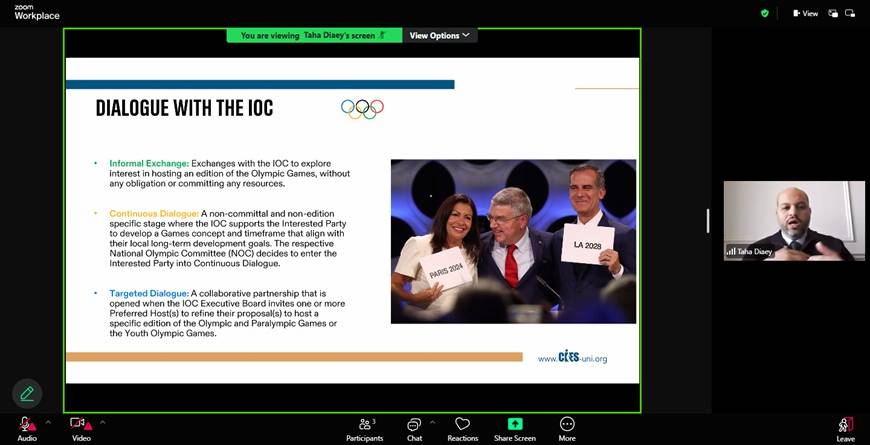
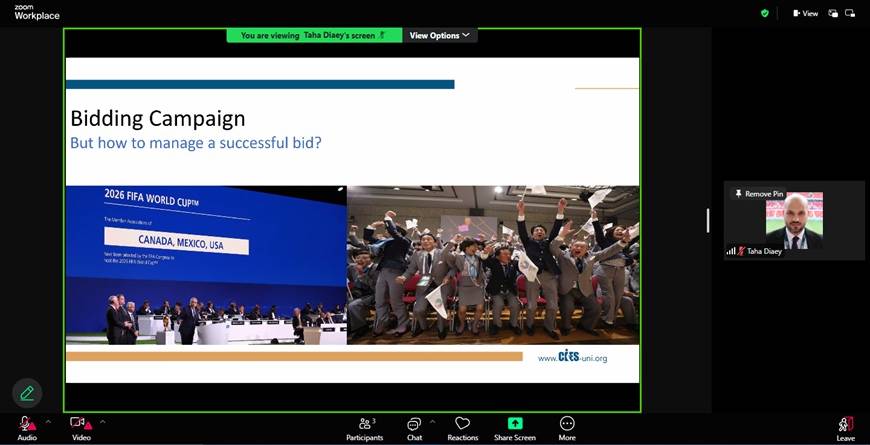
Mr. Taha started the session by sharing his journey in the sports industry and his current role in Sport Makers. The session began with a graphical image of sports dimensions in a mega event, its impact and went on to explain the definition of a bid. Bidding for hosting sports mega events has become a defining feature of global sport governance, reflecting the scale, frequency, and socio-economic impact of such events. Sports mega events like the Olympic Games are characterized by their international appeal, massive audience reach, and long-term legacy for host cities. The origins of the Olympic movement can be traced back to ancient Greece, but its modern revival began in 1896 under the vision of Pierre de Coubertin, who sought to promote peace and unity through sport. Over time, the process of bidding to host the Olympics has evolved from informal selections to highly competitive, structured procedures requiring detailed candidature files and strategic planning. The International Olympic Committee has introduced several reforms to make the bidding process more transparent, sustainable, and cost-effective with the aim to reduce financial burdens and encourage more cities to bid.
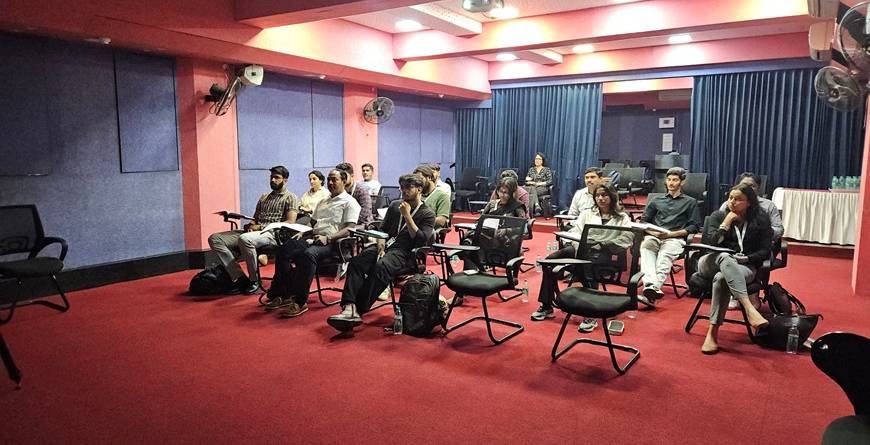
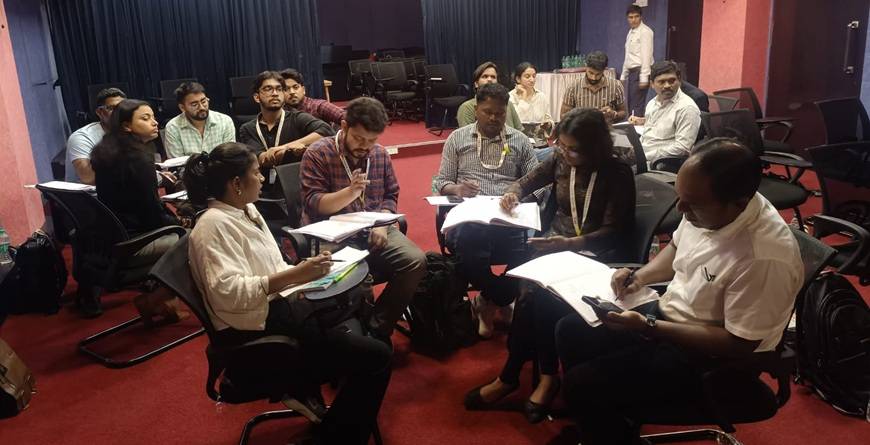
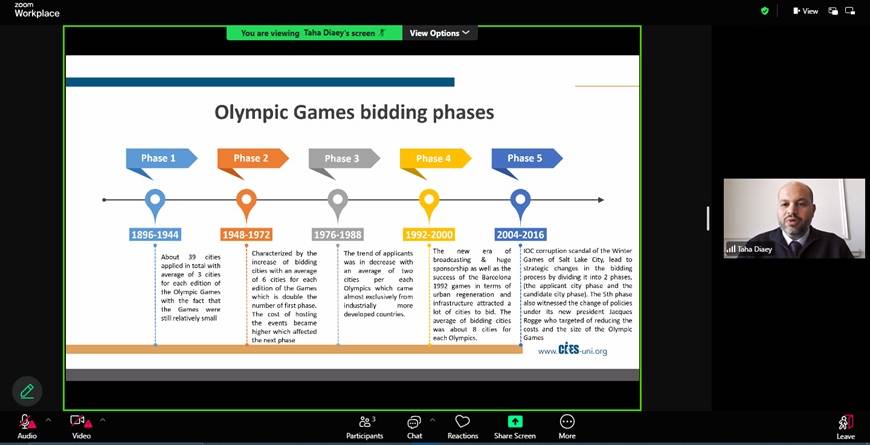
Mr. Taha further explained the Olympic game bidding phases and 10 hints for a successful bidding campaign. Successfully managing a bid requires strong public relations, stakeholder engagement, clear legacy planning, and alignment with community interests. The class was then divided into groups to do a group exercise of pitching for different cities in India to bid for the next Olympics. The cities allotted were Ahmedabad, Bangalore and Mumbai. It was an interesting exercise and the participants enthusiastically participated in the same. The conference ended with participants sharing their takeaways and learnings from the session.